Ski Touring Rogers Pass and The Winter Permit System
What is Rogers Pass?
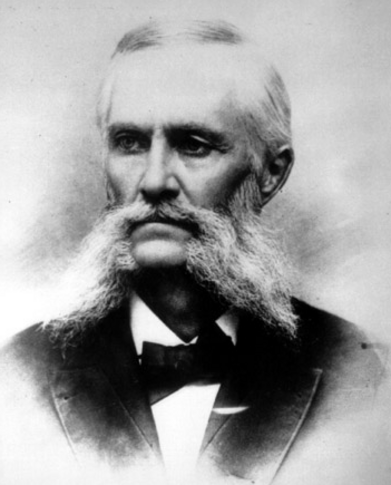
Rogers Pass is a mountain pass in British Columbia located in Glacier National Park, humbly named by A.B Rogers (pictured on the right), who surveyed the route in 1881. Rogers Pass is a critical transportation corridor boasting both the Trans-Canada Highway and the Canadian Pacific Railway through the Selkirk Mountains, making it a pretty important stretch of highway.
Now that we’ve got that brief history lesson out of the way, we can talk about why you’re really here. The snowfall. While Rogers Pass is known as a transit titan by truckers of the Rockies, for skiers and backcountry aficionados it is known for its pristine powder, spectacular snowfall and luscious lines. It is a world renowned bucket list destination for ski touring enthusiasts.
I know, it's exciting. Almost makes you want to stop reading right now and just head over there with no knowledge or planning, yeah? Well that is a bad idea my friend. Before venturing off to the backcountry beauty of Rogers Pass, there are a few things you need to know before beginning your adventure.
Avalanche Control
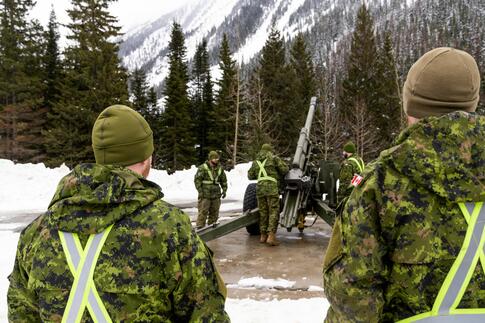
The term Avalanche control may seem like an oxymoron, but I can assure you it is not. Since 1961, Parks Canada and the Canadian Armed Forces have partnered to run the world’s largest mobile artillery avalanche control program in Glacier National Park and Rogers Pass. Avalanche control is performed to decrease naturally occurring avalanche risk. To do this, designated times are set up to close the highway in pre-determined areas, and live explosives are detonated, triggering controlled avalanches. Obviously this is a very dangerous operation and no one can be recreating in the mountains during these times. To ensure public safety, and to make everyone aware of where Avalanche Control is being performed, Parks Canada created the Winter Permit System. So everyone can safely and responsibly enjoy the backcountry of Rogers Pass.
The Winter Permit System
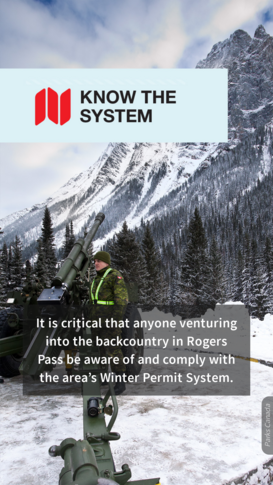
The Winter Permit System was developed to allow access to some slopes along the transportation corridor for recreation when avalanche control is not planned. Beginning in 2025, all backcountry users in Rogers Pass require a permit, regardless of what area they are planning to ski. In order to maintain winter access to the backcountry in Rogers Pass, 100% compliance with the WPS is essential, a winter permit is required for any backcountry access.
The slopes in Rogers Pass are divided into 3 designated areas:
- Prohibited - Zones that remain closed all winter, due to high risk of avalanches reaching the highway, or because snowpack needs to be preserved for forecasting and research. Entry is always illegal.
- Unrestricted - Areas that generally remain open for winter recreation, but still require a Winter Permit (as of the 2025–26 season) to help prevent accidental entry into restricted zones.
- Restricted - Zones that may open (or be closed) depending on planned avalanche-control operations. Access only allowed when the area status is “open.”
To check the current status of Rogers Pass restricted areas, use the Rogers Pass Backcountry Access Interactive Map before you go.
The system is critical for public safety. Even when a zone is “open,” backcountry terrain remains avalanche-prone, and users are expected to exercise proper caution, carry appropriate gear, and have avalanche-terrain awareness and training. All winter restricted areas along with their associated parking areas close at midnight each night and remain closed until their status is updated at 7 AM.
How to Get Your Winter Permit
Starting the 2025–26 season, a Winter Permit is mandatory for all backcountry access in Rogers Pass. Whether you plan to ski, ride, or even hike out of highway/parking zones. That includes both Restricted and Unrestricted Areas.
In order to obtain a Winter Permit (Daily or Annual) you must complete the associated Winter Permit Quiz with a score of 100%. Note that annual winter permits take up to a week to process.
The Daily Permit Quiz and the Annual Permit Quiz are both available online.
You are encouraged to plan ahead and obtain an Annual Winter Permit online before travelling to Rogers Pass. Daily Winter Permits are also available, in person only at Summit Station. Every individual must carry a Winter Permit, and a valid piece of government-issued photo identification when entering Winter Restricted and Unrestricted Areas. Digital Permits are accepted.
A Winter Parking Permit is provided with your annual or daily winter permit. You are required to display a legible printed Winter Parking Permit on the dashboard of the vehicle you are using.
A National Park Pass is required for every member of your group. Daily passes are available at summit station, and Annual park passes are available online, in person at Summit Station, or at the Parks Canada administration office (301B 3 St. W in Revelstoke). While Winter Permits are free, National Park Passes do come with a fee.
Rogers Pass Before You Go Checklist
- Get your Winter Permit - as outlined above, take the quiz and apply for your winter permit before skiing in Rogers Pass.
- Get a Park Pass
- Check which areas are open today on the Rogers Pass Backcountry Access interactive map
- Understand the risks of backcountry recreation, how to travel in avalanche terrain and how to practice self-rescue techniques.
- Have an avalanche transceiver, shovel, and probe for every member of the group.
- Check today's Avalanche Bulletin to determine the current conditions.
- Carefully plan your route using online resources, maps, guidebooks and information from Parks Canada.
- Find a buddy - space is limited at Summit Station and carpooling will help reduce congestion at parking lots.
- Know before you go. Check DriveBC for highway conditions and updates.
There you have it folks, follow this checklist exactly and you are ready to backcountry ski the world famous Rogers Pass! For those of you that are wondering, yes, if you leave from Golden the time zone shift means the drive to Rogers Pass technically takes zero minutes. Happy touring!